A Considered Wallet: What to Look For in 2026
An editorial buyer's verdict on choosing a considered everyday wallet—covering full-grain leather vs. metal, stitching, front-pocket bulk, and longevity.
How affiliate links work on OSUR Atelier and how they affect our editorial content. Affiliate disclosure
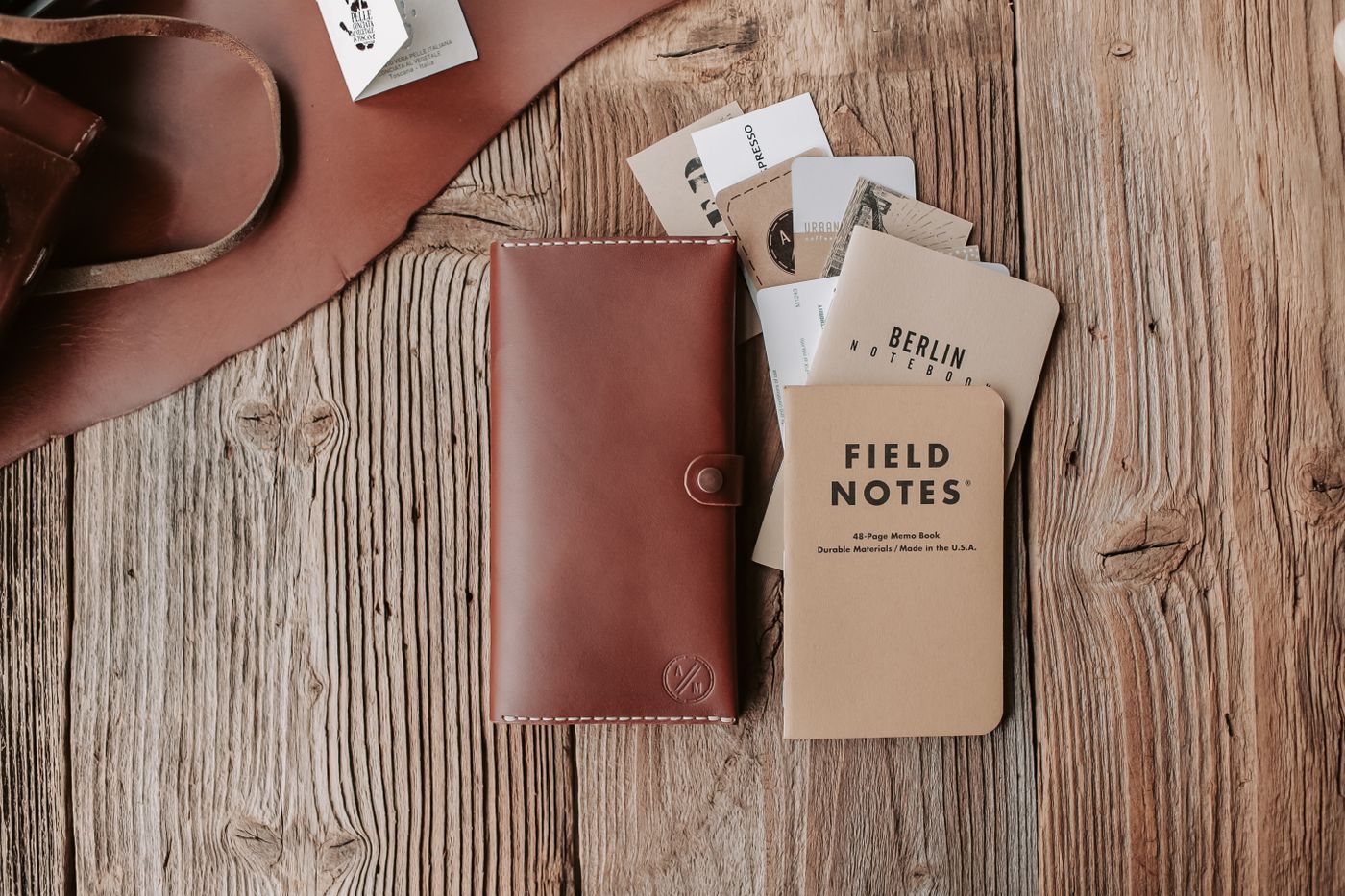
Choosing a considered wallet is one of the simplest daily upgrades you can make: you touch it multiple times a day, carry it in your pocket for years, and feel immediately when bulk, poor stitching, or stiff card slots get in the way. Rather than chasing novelty gimmicks, a lasting wallet comes down to honest material grade, clean edge finishing, and a capacity matched strictly to what you actually carry. This benchmark guide synthesizes leathercraft standards, minimalist carry engineering, and buyer longevity patterns under our review methodology.
Pros
- Full-grain vegetable-tanned leather develops rich patina instead of peeling
- Front-pocket slim silhouettes eliminate back-pocket bulk and hip tilt
- Simple stitched construction has zero springs or elastic bands to wear out
- Clean layout encourages editing out expired receipts and unused cards
Cons
- Quality full-grain leather requires a brief 1–2 week card-slot break-in
- Slim cardholders limit heavy cash stacks, international bills, and coins
- Unlined raw leather picks up water spots if soaked without conditioning
- Costs more upfront than department-store 'genuine leather' bifolds
- Overall Score
- Leather & Material Longevity
- Stitching & Edge Craft
- Front-Pocket Ergonomics
- Card & Cash Practicality
- Long-Term Value
Quick Summary for Skimmers
Before picking a brand, pick the right format for your pocket: a slim 4-to-6 card sleeve if you rarely touch cash, a compact front-pocket bifold if you carry crisp bills alongside cards, or a rigid aluminum/pop-up case if you want one-handed card fanning and crush resistance (see our Ridge Wallet review and Ekster Cardholder review).
Leather Grades Explained
“Genuine leather” is actually a lower-tier split layer coated in paint that cracks and flakes within two years. Look specifically for full-grain leather (the strongest outer hide with natural grain intact)—ideally vegetable-tanned for warm, self-healing patina—or high-grade top-grain for a smooth, uniform dress finish.
Category Score: 94/100
Stitching and Edge Finishing
Tight, evenly tensioned waxed-linen or bonded-nylon stitching (especially saddle stitching) resists unraveling even if a single thread abrades. Look for smoothly burnished or neatly turned edges rather than thick rubbery edge paint that cracks at the fold.
Category Score: 91/100
Front-Pocket Ergonomics and Capacity
Audit your current wallet before buying: most people only use 4 to 6 cards weekly (ID, 2 payment cards, transit/insurance). Matching your wallet’s rated capacity to your real daily stack prevents stretched slots and bulky outlines in tailored trousers. Compare leather pop-up hybrids in our Double Oak wallet review and Kings Loot wallet review.
Category Score: 90/100
Who Each Wallet Format Fits Best
| Pick | Ideal Format | Fit | Reasoning |
|---|---|---|---|
| Card-only minimalist | Slim leather sleeve or metal plate | Strong | Flattest front-pocket footprint for 4–6 cards |
| Balanced daily commuter | Compact front-pocket bifold | Strong | Holds 6–8 cards + unfolded bills without bulk |
| One-handed speed seeker | Pop-up aluminum/leather cardholder | Strong | Thumb trigger fans primary cards cleanly |
| Cash & coin traveler | Zip-around or classic gusseted bifold | Strong | Dedicated coin zip and tall bill divider for foreign notes |
Final Verdict on Choosing a Considered Wallet
- Buy full-grain stitched leather if you want a quiet, timeless front-pocket wallet that improves with age and has zero mechanical wear parts.
- Buy aluminum/pop-up if you prioritize rapid one-handed card fanning or rugged crush protection over soft patina.
- Skip coated ‘genuine leather’ if you want more than two years of clean daily wear.
Choosing a Considered Wallet FAQ
What is the most durable leather for a wallet?
Full-grain vegetable-tanned cowhide (or bridle leather and shell cordovan at higher budgets) is the most durable choice because it retains the strongest outer grain fibers and ages cleanly without peeling.
Is RFID blocking really necessary in a modern wallet?
Real-world contactless skimming is rare, though metal cardholders include RFID shielding naturally. Note that RFID-lined outer slots will also block tap-to-pay transit cards until you slide them out.
How many cards should a front-pocket wallet hold?
Keeping your daily stack between 4 and 8 cards preserves a flat, comfortable front-pocket profile and prevents overstretching leather slots.
How do I care for a full-grain leather wallet?
Natural oils from your hands do most of the conditioning. Simply wipe off dust with a dry soft cloth and apply a tiny dab of neutral leather balm once or twice a year if the hide feels dry.
Will vegetable-tanned leather darken over time?
Yes—exposure to sunlight, pocket friction, and natural skin oils gradually deepens tan and chestnut hides into a rich, glossy amber patina.
Should I carry my wallet in my front or back pocket?
Front-pocket carry is more comfortable when seated, better for lower-back alignment, and significantly safer against pickpockets in crowded transit.
Related articles
More in The Verdicts
Double Oak Essentials Wallet Review 2026: Is It Worth It?
An independent Double Oak Essentials wallet review covering leather build, pop-up card access, cash carry, sizing tradeoffs, and who should buy or skip.
Read article
Ekster Cardholder Review 2026: Is It Worth It?
An independent Ekster Cardholder review evaluating the quick-trigger pop-up mechanism, aluminum build, tracker compatibility, capacity limits, and value.
Read article
goodr Sunglasses Review 2026: Is It Worth It?
An independent goodr sunglasses review covering non-slip grip, polarized UV400 lens clarity, lightweight comfort, scratch durability, and value.
Read article