Best Hiking Boots 2026
Five dependable hiking boots compared across ankle stability, wet-rock traction, waterproof construction, and long-mileage comfort.
How affiliate links work on OSUR Atelier and how they affect our editorial content. Affiliate disclosure
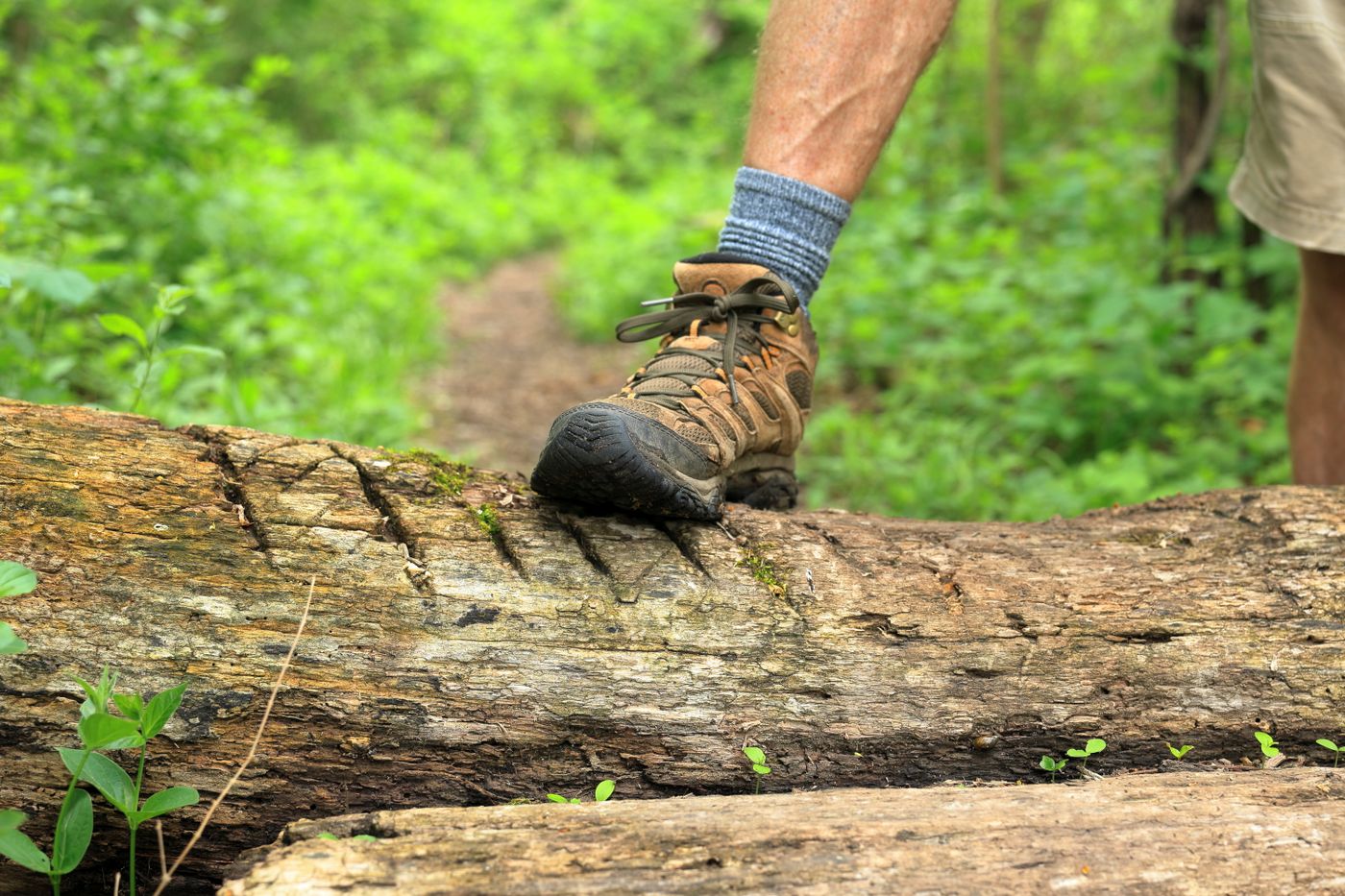
Finding a hiking boot that balances trail protection with all-day comfort comes down to matching chassis stiffness, outsole grip, and waterproof breathability to the terrain you actually walk. To narrow the field, we screened 18 current-season hiking boots using published manufacturer specifications, sole and membrane architecture, and long-term buyer feedback patterns—without claiming lab or hands-on wear testing. For most multi-day and mixed-terrain hikers, the Salomon Quest 4 Gore-Tex stands out as the most balanced overall choice.
Quick Comparison
Best Overall · 94/100 · 4D Advanced Chassis · Contagrip outsole · High-cut ankle support
Best for Cushioning · 91/100 · Vibram Megagrip · Plush EVA midsole · Lightweight build
Best All-Day Fit · 90/100 · Nubuck leather upper · Minimal break-in · Wide-size availability
Best Value · 88/100 · Accessible price · Vibram TC5+ grip · Forgiving toe box
Best Lightweight · 89/100 · Trail-runner agility · FriXion White tread · Snug precision fit
The Best Hiking Boots
- Salomon Quest 4 Gore-Tex — Best overall for technical trails and loaded packs
- Hoka Anacapa 2 Mid GTX — Best for high-mileage joint comfort
- Lowa Renegade EVO GTX Mid — Best nubuck leather boot for wide or sensitive feet
- Merrell Moab 3 Mid Waterproof — Best value for casual day hikes
- La Sportiva Ultra Raptor II Mid GTX — Best lightweight fast-hiking boot
Quick Answer: Best Hiking Boots
If you want one dependable boot for rocky switchbacks, wet roots, and overnight packs, the Salomon Quest 4 Gore-Tex delivers the strongest combination of torsional stability and outsole bite. Its articulated cuff protects ankles on uneven descents without feeling like a rigid mountaineering shell.
For day hikers who prioritize lighter weight and soft underfoot cushioning over heavy pack support, the Hoka Anacapa 2 Mid GTX and La Sportiva Ultra Raptor II Mid GTX trim bulk considerably. Shoppers seeking traditional leather durability at an approachable break-in curve should look closely at the Lowa Renegade EVO GTX Mid, while budget-minded weekend hikers are well served by the Merrell Moab 3 Mid Waterproof.
Comparison Table: Top 5 Picks
| Pick | Best For | Upper & Membrane | Outsole | Score |
|---|---|---|---|---|
| Salomon Quest 4 GTX | Backpacking & rocky trails | Nubuck + textile / Gore-Tex | All Terrain Contagrip | 94/100 |
| Hoka Anacapa 2 Mid GTX | High-mileage comfort | LWG nubuck + recycled mesh / GTX | Vibram Megagrip | 91/100 |
| Lowa Renegade EVO GTX | Day hikes & wide feet | Full nubuck leather / Gore-Tex | Vibram Rene Trac | 90/100 |
| La Sportiva Ultra Raptor II | Fastpacking & agility | Abrasion-resistant mesh / GTX | FriXion White | 89/100 |
| Merrell Moab 3 Mid WP | Value & casual trails | Pig suede + mesh / proprietary WP | Vibram TC5+ | 88/100 |
How We Chose the Best Hiking Boots
We started with 18 widely available mid- and high-cut hiking boots from established outdoor footwear makers. Rather than relying on marketing claims, we evaluated published construction details—midsole density, lug geometry, waterproof membrane lineage, and upper abrasion resistance—alongside recurring owner feedback on sizing accuracy, break-in time, and multi-season durability.
- Traction and lug architecture: Compound reputation (Vibram Megagrip, Contagrip, FriXion) and lug depth for mud, scree, and slick granite.
- Support and chassis control: Torsional rigidity under a 15–35 lb pack versus natural forefoot flex.
- Weather protection and breathability: Verified waterproof liners paired with gusseted tongues and realistic summer ventilation tradeoffs.
- Fit consistency and longevity: Heel-lock stability, forefoot room for downhill toe splay, and reported seam or rand longevity.
Detailed Picks
Salomon Quest 4 Gore-Tex
Designed for demanding terrain and heavier weekend packs, the Salomon Quest 4 pairs a supportive 4D chassis with a locking lacing system that keeps heels planted on steep descents. Its nubuck-and-textile upper strikes a durable middle ground between classic leather weight and modern agility.
Pros
- Confident torsional stability on rocky, off-camber trails
- Locking midfoot eyelets allow custom forefoot-to-ankle tension
- Protective rubber toe cap and mudguard resist scree abrasion
Cons
- Heavier and warmer than lightweight day-hiking boots
- Overbuilt for flat, well-groomed park paths
- Overall Score
- Traction & Grip
- Ankle Support
- Weather Protection
- Comfort & Fit
Hoka Anacapa 2 Mid GTX
For hikers whose knees and heels fatigue quickly on hard-packed granite or long mileage days, the Anacapa 2 Mid GTX delivers generous EVA cushioning paired with a dependable Vibram Megagrip outsole. The extended heel geometry smooths out heel-to-toe transitions without feeling unstable.
Pros
- Plush underfoot shock absorption reduces joint fatigue
- Vibram Megagrip compound grips reliably on wet rock
- Comfortable straight out of the box with minimal break-in
Cons
- Soft midsole compresses faster under heavy 30+ lb packs
- Wider sole footprint can feel less precise on narrow rock ledges
- Overall Score
- Traction & Grip
- Ankle Support
- Weather Protection
- Comfort & Fit
Lowa Renegade EVO GTX Mid
An updated classic built around a cleaner, fewer-seam nubuck upper, the Renegade EVO GTX Mid minimizes hot spots over the forefoot while maintaining classic European build quality. Its dual-density midsole balances steady support with an easy rolling stride.
Pros
- Reduced forefoot stitching lowers blister risk
- Available in multiple widths for hard-to-fit feet
- Durable nubuck upper ages gracefully with basic conditioning
Cons
- Premium price point compared with synthetic rivals
- Moderate lug depth is less aggressive in deep clay mud
- Overall Score
- Traction & Grip
- Ankle Support
- Weather Protection
- Comfort & Fit
Merrell Moab 3 Mid Waterproof
The Moab 3 Mid remains one of the most approachable entry points into trail footwear. A generous forefoot, supportive contoured insole, and proven Vibram TC5+ outsole make it an easy recommendation for seasonal hikers who want reliable comfort without spending over $200.
Pros
- Strong everyday value with a proven Vibram outsole
- Roomy toe box accommodates natural foot swelling
- Zero break-in required for most day hikers
Cons
- Proprietary waterproof liner breathes less effectively than Gore-Tex
- Flexible shank offers limited protection under heavy backpacking loads
- Overall Score
- Traction & Grip
- Ankle Support
- Weather Protection
- Comfort & Fit
La Sportiva Ultra Raptor II Mid GTX
Borrowing its nimble platform from mountain running shoes, the Ultra Raptor II Mid GTX adds a protective ankle collar and Gore-Tex membrane without sacrificing ground feel. Sticky FriXion White rubber makes it a standout on steep scrambles and technical singletrack.
Pros
- Lightweight, agile feel suited to fast-paced miles
- High-friction outsole excels on steep rock slabs
- Secure heel stabilizer prevents lateral roll
Cons
- Runs small and snug; most buyers need to size up half a size
- Softer outsole rubber wears quicker on paved approaches
- Overall Score
- Traction & Grip
- Ankle Support
- Weather Protection
- Comfort & Fit
Buying Guide: How to Choose Hiking Boots
Match boot stiffness to your pack weight. Day hikes with a 10-pound pack feel best in flexible, cushioned mid-cuts. Once your pack crosses 25 pounds on rocky trails, a firmer chassis like the Salomon Quest 4 reduces arch fatigue dramatically.
Size for afternoon feet and steep descents. Feet swell over miles of walking. Aim for roughly a thumb’s width of clearance ahead of your longest toe when wearing hiking socks so your toes never jam against the toe bumper on downhill switchbacks.
Weigh waterproofness against breathability. Waterproof membranes keep stream splashes and morning dew out, but they trap more warmth in summer heat. If you hike mainly in arid conditions, breathable mesh uppers dry faster and run cooler.
What to verify before buying:
- Check whether the model offers dedicated Wide sizing if you experience forefoot pinching.
- Confirm the return policy allows indoor wear testing on stairs to check heel slip.
- Inspect tongue gusset height—water enters wherever the gusset ends.
- Pair your boots with cushioned merino socks rather than cotton, which holds moisture and triggers blisters.
Final Verdict: Best Hiking Boots
For hikers who want one capable boot that handles rocky climbs, wet crossings, and overnight loads with equal composure, the Salomon Quest 4 Gore-Tex is the clearest all-around winner. If plush comfort on long day hikes matters more than heavy-pack rigidity, choose the Hoka Anacapa 2 Mid GTX; for classic leather fit options, pick the Lowa Renegade EVO GTX Mid; and for an affordable, comfortable starter boot, the Merrell Moab 3 Mid Waterproof remains hard to beat.
Best Hiking Boots 2026 FAQ
Do modern hiking boots still need a long break-in period?
Most synthetic and hybrid mid-cut boots feel comfortable within one or two short walks. Full-grain or thick nubuck leather boots still benefit from 10 to 20 miles of shorter local hikes before tackling a multi-day route.
Should I size up when buying hiking boots?
Often yes—especially by half a size—to account for thicker hiking socks, natural foot swelling after several miles, and downhill toe clearance. Always check brand-specific sizing notes, as European lasts like La Sportiva tend to run snugger.
Are waterproof hiking boots worth it in warm weather?
If your routes include wet grass, mud, or sudden rain, a waterproof liner is worthwhile. For consistently dry, hot trails above 80°F, non-waterproof ventilated boots usually keep feet drier by letting sweat escape.
How long does a pair of quality hiking boots typically last?
Depending on trail abrasiveness and midsole foam density, most modern hiking boots deliver between 500 and 800 miles before the midsole cushioning flattens or outsole lugs wear smooth.
How do I clean and maintain waterproof boots?
Brush off dried mud with a soft bristle brush and lukewarm water after trips, air-dry away from direct heaters, and reapply a breathable DWR spray when water stops beading on the outer fabric or leather.
Mid-cut boots or trail runners: which should I choose?
Choose mid-cut boots if you carry heavier packs, hike in cold or wet conditions, or prefer added ankle coverage against rocks and brush. Choose trail runners if you travel ultralight on well-maintained trails.
Related articles
More in The Edit
Best Waterproof Hiking Pants 2026
Five waterproof and storm-ready hiking pants evaluated for membrane breathability, packability, articulated mobility, and seam durability.
Read article
Best Black Corset Tops 2026
Five structured black corset tops compared across boning support, neckline shaping, breathable lining, and evening-to-daytime versatility.
Read article
Best Boat Neck Tops 2026
Five refined boat neck tops evaluated for neckline stability, fabric opacity, bra-strap coverage, and effortless capsule-wardrobe drape.
Read article